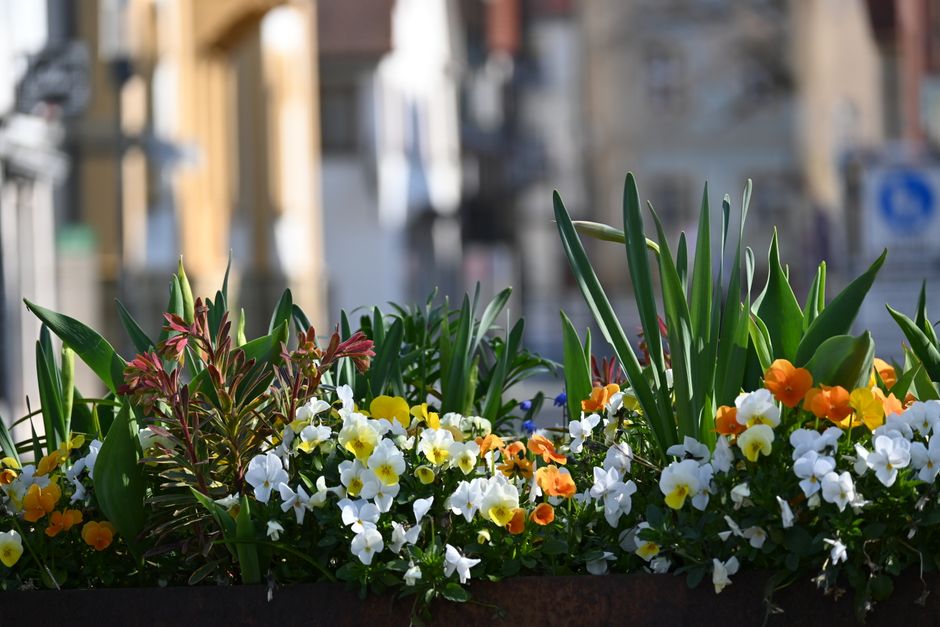
What to know about Richmond Council rules for street flowers
Posted on 20/10/2026
If you are thinking about putting out street flowers in Richmond, whether that means a small display outside a shop, a planter near a doorway, or seasonal flowers that make a pavement feel a bit brighter, there is more to it than just choosing the blooms. What to know about Richmond Council rules for street flowers is really about balancing beauty, public safety, access, and the practical realities of a shared street. Get it right and the result is lovely. Get it wrong and, well, you may find yourself dealing with complaints, removal notices, or a display that never quite survives the week.
This guide breaks down the basics in plain English. You will learn how the rules usually work, why they matter, what people often miss, and how to plan a display that looks good without creating problems for pedestrians, neighbours, or the council. Let's face it, a few well-placed flowers can completely lift a street. But the trick is making sure they are placed in the right way.
Along the way, we will also touch on what businesses, residents, event organisers, and community groups should think about before setting anything out. And if you are trying to match a floral display with a wider delivery or gifting plan, pages like flower delivery in East Sheen or the wider local flower shop options can be useful for practical inspiration, especially when timing matters.
Table of Contents
- Why Richmond Council rules for street flowers matter
- How the rules usually work
- Key benefits and practical advantages
- Who this is for and when it makes sense
- Step-by-step guidance
- Expert tips for better results
- Common mistakes to avoid
- Tools, resources and recommendations
- Law, compliance, standards, or best practice
- Options, methods, or comparison table
- Case study or real-world example
- Practical checklist
- Conclusion
- Frequently asked questions
Why Richmond Council rules for street flowers matter
Street flowers may look harmless, but they sit in a very public space. That is the whole issue. A planter outside a property can affect footway width, wheelchair access, cleaning schedules, sight lines for drivers and cyclists, and even how quickly the street can be maintained after bad weather. A display that seems tiny to one person can feel awkward, cluttered, or unsafe to someone else.
Richmond, like other London boroughs, has to manage streets that are busy, narrow in places, and shared by lots of different users. A floral display that spills too far out can become a trip hazard. A container that is too heavy or unstable can create risk in windy conditions. A display watered at the wrong time can leave a slippery patch on paving. None of this is dramatic, but it is exactly the sort of thing councils pay attention to.
There is also the neighbour factor. Street flowers are meant to add value, not arguments. If they block a doorway, narrow the path outside a terrace, or attract dripping water and petals in the wrong place, you may have a very different conversation on your hands. Truth be told, a lot of enforcement issues begin with one person thinking, "It's only a few pots," while everyone else sees a shared-space problem.
So yes, the rules matter. They are not there to spoil the fun. They exist so that a nice-looking frontage still works for everyone who uses the street.
Expert takeaway: Street flowers should enhance the pavement, not compete with it. If a display changes how people move, see, or pass through the space, council rules become relevant very quickly.
How Richmond Council rules for street flowers works
The exact permission process can vary depending on what you want to place, where you want to place it, and whether the display sits on private land or public highway. That distinction is the first thing to understand. A flower arrangement inside your own boundary is usually very different from one sitting on a pavement, at the edge of a shopfront, or in another area that counts as shared public space.
In practice, councils tend to look at a few recurring factors:
- Location: Is the display on private property, pavement, verge, or another part of the highway?
- Width of the footway: Can people still pass comfortably, including wheelchairs, pushchairs, and prams?
- Visibility: Does the arrangement block sight lines, signs, entrances, or crossings?
- Stability: Can the containers stay put in wind or heavy rain?
- Maintenance: Who looks after watering, deadheading, moving, and cleaning up?
- Safety and cleanliness: Will soil, water, leaves, or broken pots create a hazard?
There may also be conditions tied to the display. For example, a council may expect a clear walking route to remain open at all times, or require that planters are moved if works, deliveries, or inspections are needed. If you are unsure, do not guess. A quick check with the council is usually far better than setting everything up and hoping nobody objects. That approach rarely ages well.
For businesses that want flowers to support their frontage or customer experience, it can help to think about how the display fits with your wider site presentation. Soft seasonal planting can work well with gifts, special occasions, or a welcoming shopfront. If you are planning around celebrations or customer orders, local pages such as send flowers in East Sheen or birthday flowers can give you a feel for the style and scale people tend to expect.
Private frontage versus public pavement
This is the bit that catches people out. A planter just inside a doorway is normally a private matter. A planter that sits even slightly into the public way can trigger a completely different set of expectations. If your arrangement is on the boundary line, assume it needs a second look. That is where many disputes start.
Temporary displays versus ongoing installations
Temporary flowers for a weekend event, wedding, or short seasonal display are often assessed differently from permanent planters or repeated installations. But "temporary" does not automatically mean unrestricted. A few hours can still be a problem if the placement blocks access during a busy period. Timing matters, especially on narrow pavements or near transport routes.
Key benefits and practical advantages
When flowers are handled well, the benefits are easy to see. A frontage feels warmer. The street looks more cared for. People notice the detail. In commercial areas, that can subtly shape how customers feel before they even walk in. In residential streets, it can make an otherwise hard-edged pavement feel softer and more human.
There are practical benefits too:
- Better curb appeal: Neat floral displays can lift the whole appearance of a property or business.
- Stronger first impressions: Visitors often read floral displays as a sign of care and attention.
- Seasonal flexibility: Displays can change with the time of year, event type, or mood of the street.
- Community value: Shared streets feel more welcoming when the visual standard is thoughtful rather than random.
- Brand fit: For shops and hospitality businesses, flowers can reinforce a calm, premium, or celebratory feel.
There is also a less obvious benefit: when you follow the rules, you avoid wasting money on displays that need to be moved or removed. That sounds boring, but it is honest. A lovely arrangement that has to be taken apart after two days is not good value, whatever the vase looked like in the shop window.
And if your goal is to create a coordinated floral look across gifts, displays, and seasonal moments, browsing a range like all flowers or luxury flowers can help you plan a consistent tone. Simple, but effective.
Who this is for and when it makes sense
This topic matters to more people than you might think. It is not only for shop owners or council officers. Anyone who wants to place flowers near the street edge should understand the basics.
- Retailers looking to improve their frontage
- Cafes and restaurants adding atmosphere outside
- Residents who want planters near a doorway or boundary
- Event organisers planning temporary floral displays
- Community groups improving local streets or high streets
- Florists installing arrangements on behalf of clients
It makes sense to think about the rules before you order, especially if the display is large, seasonal, or intended to stay in place for more than a day or two. If flowers are part of an event plan, the stakes are higher because timing, footfall, and removal all become part of the job. A wedding or memorial display, for instance, needs a different level of care from a weekend vase outside a shop.
Some people only need a few pointed answers. Others need a more complete plan. If you are in the second group, you are probably the one who should slow down a little and check practical details now rather than later. That is usually the smarter move.
Step-by-step guidance
If you are trying to work out how to approach a floral display in Richmond, this simple sequence helps keep things tidy. It is not fancy, just reliable.
- Confirm the exact location. Decide whether the flowers will sit entirely on private land or touch the public highway. That detail shapes everything else.
- Measure the available space. Be realistic. Leave enough room for everyday movement, passing bins, prams, and mobility aids.
- Think about visibility. Check whether the display affects doorways, windows, crossings, or driver sight lines.
- Choose stable containers. Use planters that will not tip, crack, or slide easily.
- Plan maintenance. Who waters them? Who removes damaged stems? Who clears fallen petals?
- Check local expectations. If the display is on or near the pavement, ask the council what applies before you proceed.
- Prepare for weather. Wind, rain, and summer heat all affect performance. British weather loves a surprise, frankly.
- Review after installation. Stand back and look at the display from the pedestrian's point of view, not just from the doorway.
A good real-world habit is to do a "walk past" test. If you can walk the route while carrying a bag, guiding a child, or navigating a pushchair without feeling squeezed, you are probably on safer ground. If not, trim the idea back. Better to keep it modest and well-finished than ambitious and awkward.
A useful rule of thumb
Ask yourself one question: would this still feel neat, safe, and easy to pass if ten more people arrived at once? If the answer is no, the arrangement is probably too much for the space.
Expert tips for better results
In our experience, the best street flower displays are the ones that look effortless because somebody made a lot of careful decisions behind the scenes. A few small choices can make a huge difference.
- Keep the footprint narrow. Tall, airy arrangements often work better than wide, sprawling ones in tight spaces.
- Use heavier bases in exposed spots. Windy corners need more stability than sheltered frontages.
- Choose low-drop varieties where possible. If flowers shed heavily, you will spend more time sweeping than enjoying them.
- Match the display to the street. A dense, formal arrangement may suit one frontage; a lighter seasonal look suits another.
- Keep watering tidy. Avoid drips that create slippery patches on paving.
- Refresh regularly. Tired flowers can make a street look neglected, which defeats the point.
- Think about night visibility. A display that looks charming at midday may be easy to miss after dark.
One practical trick is to photograph the arrangement from across the pavement and from both directions along the street. It sounds a bit overcautious. It isn't. That quick check often reveals things you miss up close, like how much a container narrows the route or how a hanging element catches the eye in the wrong way.
If the display is part of a broader occasion, say an anniversary, thank-you gesture, or seasonal shopfront refresh, you may also want to coordinate it with suitable flower choices. Pages such as any occasion flowers and summer flowers can help when you are choosing a mood rather than a single bouquet.
Common mistakes to avoid
Most problems with street flowers are not about the flowers themselves. They are about placement, assumptions, and a slight underestimation of how busy a pavement really is. Happens all the time.
- Assuming a small display cannot cause issues. Even a modest planter can narrow access if the path is already tight.
- Placing items too close to kerbs or crossings. Visibility matters more than people often realise.
- Using unstable pots or stands. Flimsy containers are a bad idea in public-facing spaces.
- Ignoring maintenance. Dead blooms, spilt soil, and algae on wet paving can quickly look messy.
- Forgetting about deliveries and bins. What looks fine at 9 a.m. may block practical movement by lunchtime.
- Assuming permission is automatic. If a display touches public land, do not rely on guesswork.
- Overcrowding a frontage. Too many elements can look cluttered and can reduce safety.
One of the most common slip-ups is making a display based on aesthetics alone. That is understandable; flowers are visual, after all. But public space is never just visual. It is functional, and that function has to be respected.
Another easy mistake: leaving removal until the last minute. If your flowers are for a short event or a one-off occasion, make the take-down plan as clear as the set-up plan. Otherwise, the "temporary" display may become the thing everyone forgets about, which is never ideal.
Tools, resources and recommendations
You do not need a complicated toolkit, but a few basics make the job easier and safer.
- Measuring tape: Essential for checking walking width and spacing.
- Mobile phone camera: Useful for reviewing sight lines and comparing placement options.
- Stable planters: Choose containers with a sensible base and material suited to the weather.
- Watering can or bottle with control: Helps prevent runoff across paving.
- Soft sweep or hand brush: Handy for clearing petals, compost, or loose leaves.
- Simple maintenance log: Helpful if a display is shared by more than one person.
For flower selection and presentation, browsing curated ranges can save time. If you want a classic look, roses and tulips offer clean, recognisable styles. If you want something softer and more mixed, mixed colours or florist choice can work well without overthinking every stem.
For people planning gifts, hospitality displays, or regular frontage refreshes, it can also be useful to look at supportive pages like flower care and guarantees. Not because they solve the council side of things, but because a public display is only as good as the flowers' condition over time. Freshness matters. A lot.
Law, compliance, standards, or best practice
While the exact local process can vary, the underlying principle is consistent across UK street and highway management: anything placed in a public area should not create unnecessary obstruction, danger, or nuisance. That includes floral arrangements, planters, and decorative installations. Where public footway or highway space is involved, the safest approach is to treat permission and safety as non-negotiable.
Best practice usually means the following:
- Keep clear pedestrian access at all times.
- Avoid creating trip, slip, or strike hazards.
- Do not block visibility for road users or pedestrians.
- Make sure the display is secure in wind and bad weather.
- Maintain the area so it remains clean and attractive.
- Remove the display promptly if it no longer meets the agreed conditions.
If your display sits near a shop entrance, shared walkway, or other managed space, it is wise to document what was agreed, who is responsible for upkeep, and what happens if the display needs to change. That sort of record sounds dull until somebody asks, "Whose job is this?" and no one is quite sure. Then it suddenly feels very useful.
One caution worth repeating: do not assume that a visually pleasing installation is automatically compliant. Councils are generally concerned with access and safety first, appearance second. If those two things are in conflict, appearance loses. Every time.
Options, methods, or comparison table
Different street flower setups suit different situations. Here is a simple comparison to help you decide what is realistic for your frontage or event.
| Option | Best for | Pros | Watch-outs |
|---|---|---|---|
| Small window ledge display | Private frontage with limited space | Low risk, easy to maintain, visually neat | May not be visible enough from the pavement |
| Free-standing planter near the entrance | Businesses and homes with room at the edge | Strong visual impact, flexible seasonal changes | Must not narrow the walkway or become unstable |
| Temporary event flowers | Weddings, launches, short celebrations | High impact without long-term commitment | Needs a removal plan and careful timing |
| Coordinated frontage arrangement | Shops, cafes, hospitality venues | Creates a polished look and brand consistency | Requires more upkeep and closer compliance checks |
In general, if you are new to this, start smaller than you think you need. People often overestimate how much floral material is required to make a street feel welcoming. A neat, balanced arrangement can do more than a crowded one. Less can genuinely be more here. A bit of breathing room is a good thing.
Case study or real-world example
Imagine a small local business on a busy Richmond street wanting to place two large planters outside its doorway. The aim is simple: make the entrance feel brighter and encourage people to stop and look in. On paper, it sounds harmless. In reality, the pavement is already fairly narrow, delivery drivers use the kerb, and school-time footfall gets heavy at certain hours.
The smarter version of this idea is to reduce the footprint, place the planters where they do not pinch the pedestrian route, and keep them low enough that the shopfront remains visible. The owner also assigns daily checks for watering and debris. A simple mat helps catch spills. Nothing glamorous. But it works.
Now compare that with a second version: the same business fills the entrance with oversized pots, decorative stands, and a few extra items because "it will look fuller." It might look lovely for fifteen minutes. Then the first pram arrives, someone struggles to pass, and the whole thing becomes a nuisance. You can probably guess which version the council would prefer.
This is why the right plan is usually the simplest one that still looks intentional. The best displays are thoughtful, not crowded. And yes, the people who have done this well usually make it look easier than it really is.
Practical checklist
Use this before you place any street flowers in Richmond:
- Have I confirmed whether the flowers will be on private land or public space?
- Is there enough clear space for pedestrians, wheelchairs, and prams?
- Could the display block sight lines, doorways, or crossings?
- Are the containers stable and weather-resistant?
- Will watering or falling petals make the pavement slippery?
- Do I know who will maintain and clean the display?
- Is the arrangement temporary or ongoing?
- Have I checked whether permission or approval is needed?
- Will the display still look tidy in rain, wind, or busy periods?
- Do I have a removal plan if it needs to be taken down quickly?
If you can tick all of those off, you are already ahead of many people. Small effort. Big difference.
Conclusion
What to know about Richmond Council rules for street flowers comes down to a simple idea: make the street prettier without making it harder to use. That means thinking about location, access, safety, upkeep, and whether your display belongs on private land or needs a council conversation first. If you keep those basics in mind, the process becomes far less stressful and the end result is usually much better.
Street flowers can feel like a small thing, but they shape how a place feels. On a grey afternoon, a clean, well-kept planter can make the pavement feel calmer, friendlier, and more cared for. That is worth doing properly. And once you get the hang of it, it is not so complicated really.
Get a free quote today and see how much you can save.
If you are planning a floral display for a home, business, or local event, take a careful look at your space, choose something proportionate, and keep the finish neat. That is the quiet secret. Thoughtful wins.
Frequently Asked Questions
Do I need permission to put flowers on the pavement in Richmond?
If the flowers or planters sit on public pavement or affect a public walkway, permission or approval may be needed. If they stay entirely on private land, the situation is usually simpler. The key issue is whether the public highway is involved.
What counts as street flowers?
Street flowers can mean planters, pots, hanging floral displays, temporary event arrangements, or decorative flower containers placed near the street edge. The rule of thumb is simple: if it changes how people use the public space, it counts.
Can a small planter outside my shop still be a problem?
Yes, it can. Even a small planter may narrow a tight pavement, block a doorway, or create a trip hazard if placed badly. Small does not always mean harmless.
How do I know if my display is too big?
Step back and look at the route from a pedestrian's point of view. If it feels cramped, awkward, or hard to pass without turning sideways, it is probably too big for the space.
Are temporary flower displays treated differently from permanent ones?
Often, yes. Temporary displays for an event or short occasion may be viewed differently from permanent installations. But temporary does not mean unrestricted. Access and safety still matter.
What is the safest type of container to use?
Use sturdy, stable containers with a wide enough base that they are less likely to tip or slide. Lightweight pots can work in sheltered spots, but they are not always ideal in windy or busy areas.
Can flowers make the pavement slippery?
They can, especially if water spills during watering or if petals, compost, or leaves are left to build up. A tidy maintenance routine helps reduce that risk.
Who is responsible if a floral display causes an issue?
Usually the person or business that placed the display is responsible for its safety, upkeep, and removal. If several people are involved, it is worth agreeing roles in advance so nothing gets vague later on.
What should I do before installing flowers near a doorway?
Measure the space, check how people enter and leave, and make sure the display does not interfere with access. It is also wise to consider deliveries, bins, and any shared use of the area.
What if I only want flowers for a weekend event?
Even a weekend display should be planned carefully. Confirm placement, think about crowd movement, and make sure someone is responsible for setting up and taking everything away promptly afterwards.
Do council rules focus more on appearance or safety?
Safety and access come first. Appearance matters, of course, but a beautiful display will not override a hazard or obstruction. That is usually where the line is drawn.
What is the best first step if I am unsure?
Measure the area and speak to the council before placing anything on or near public space. That simple step can save time, money, and a fair bit of back-and-forth later.